IOL Simulator

Per-eye simulation · independent OD/OS

Let your patient experience every intraocular lens before deciding

A virtual reality simulator where your patient sees an approximation of how the world looks with each intraocular lens — monofocal, trifocal or EDOF — while you guide the session from a tablet.

Road, at night

The hardest decision to explain

The problem

Choosing an intraocular lens is a lifelong decision that patients make without being able to imagine the result. Explaining halos, dysphotopsias or contrast loss with brochures and defocus curves is not enough: anxiety and miscalibrated expectations carry over into the post-op period, when there is no longer room to talk them through.
The solution

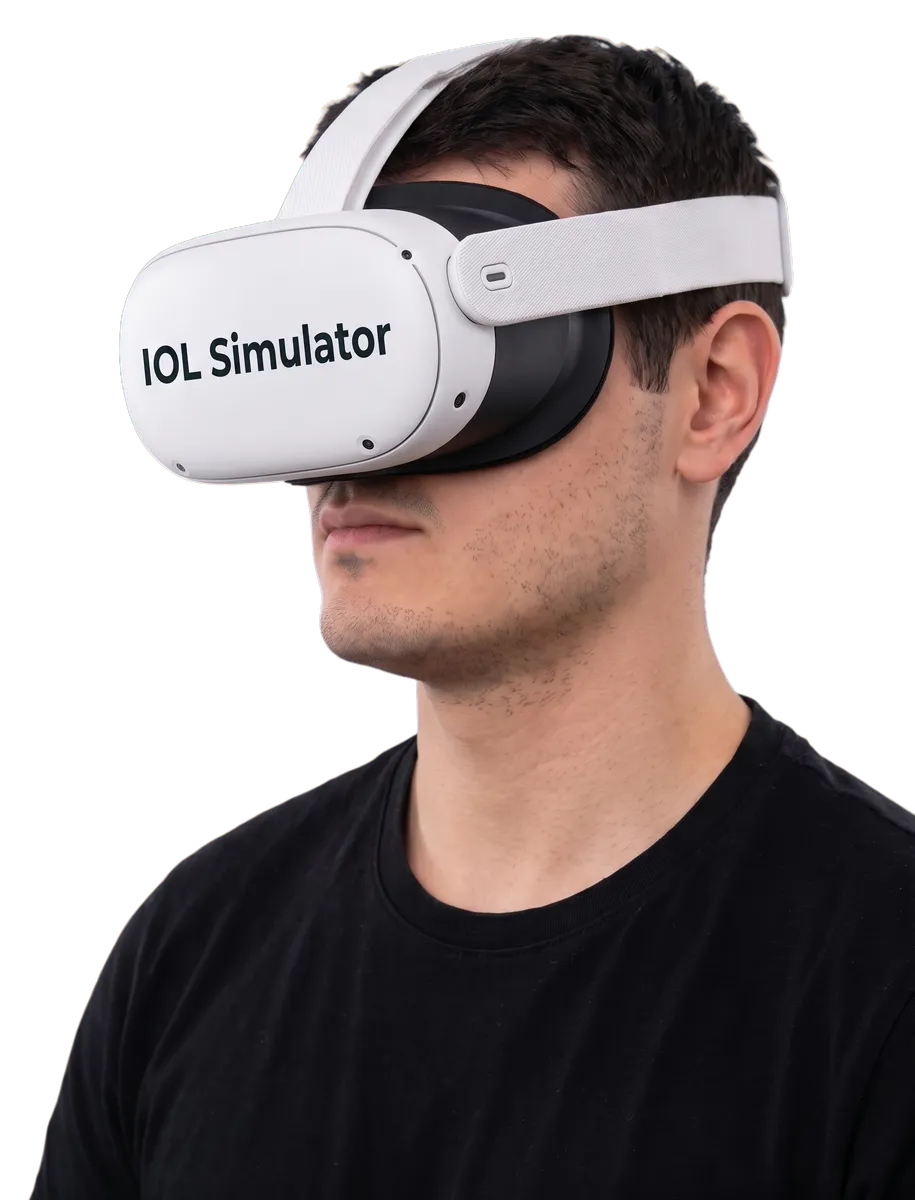
With the simulator, the patient puts on the headset and lives it: reads up close with a monofocal, watches night traffic with a trifocal and sees the halos that design can produce. Expectations aligned before the OR — an informed, shared decision.

How it works

  1. 1

    The patient puts on the headset

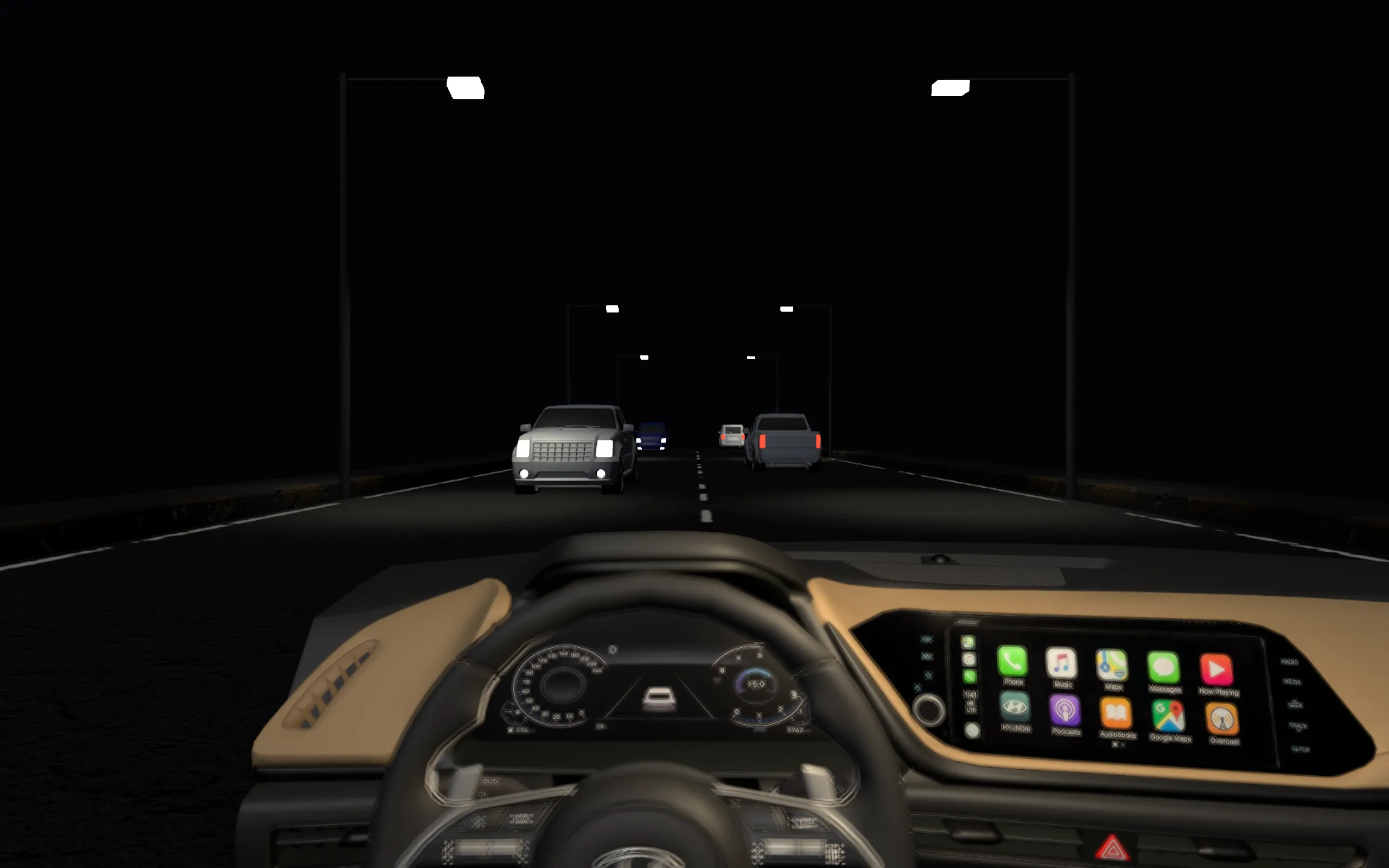
    Photo-realistic everyday scenarios: a daylight consultation room for reading and fine detail, and a night road with real traffic.

  2. 2

    You control from the tablet

    The tablet pairs with the headset in one step. Watch live exactly what the patient sees and adjust the simulation per eye.

  3. 3

    Swap the lens live

    Monofocal → trifocal → EDOF in one tap. The patient compares instantly, with the optical simulation of each design.

An optical model, not an image filter

Every effect comes from a parametric optical model, computed per eye, in real time, inside the headset.

Independent per-eye simulation

OD and OS configured separately: simulate monovision, anisometropia or mix-and-match combinations.

Dysphotopsias modeled by design

Concentric halos, starbursts and disability glare matching the design of each lens.

Dynamic night pupil

Pupil dilation responds to scene luminance, just like in real life: halos grow at night.

Dioptric defocus by distance

A defocus curve applied in real time based on the distance of every object, plus contrast loss and residual astigmatism.

Full clinical control

See on your tablet, live, exactly what the patient sees, and adjust every parameter per eye as you talk.

Clinic-ready

The system updates remotely — no installs and no technical chores on your side.

Slide and compare

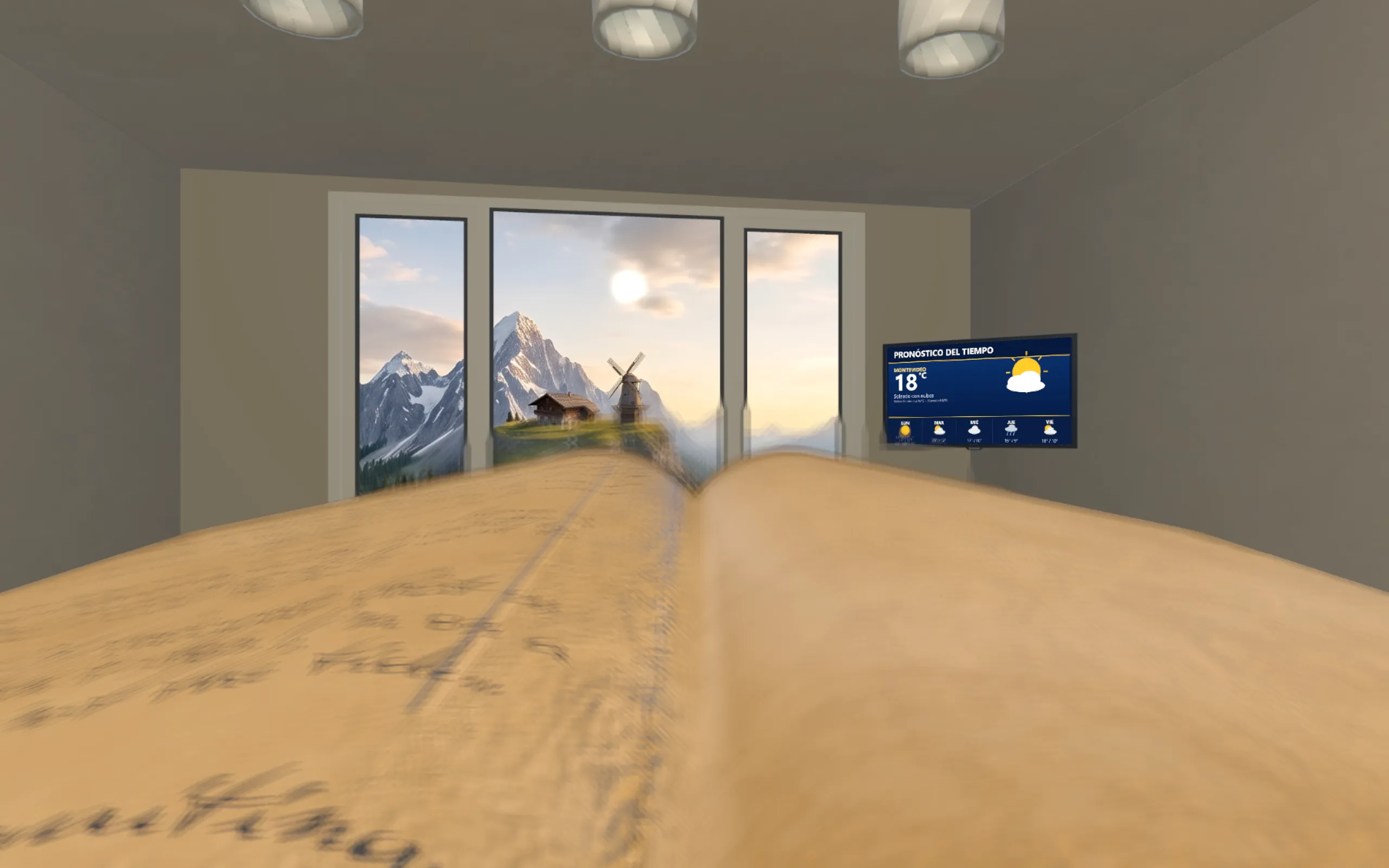
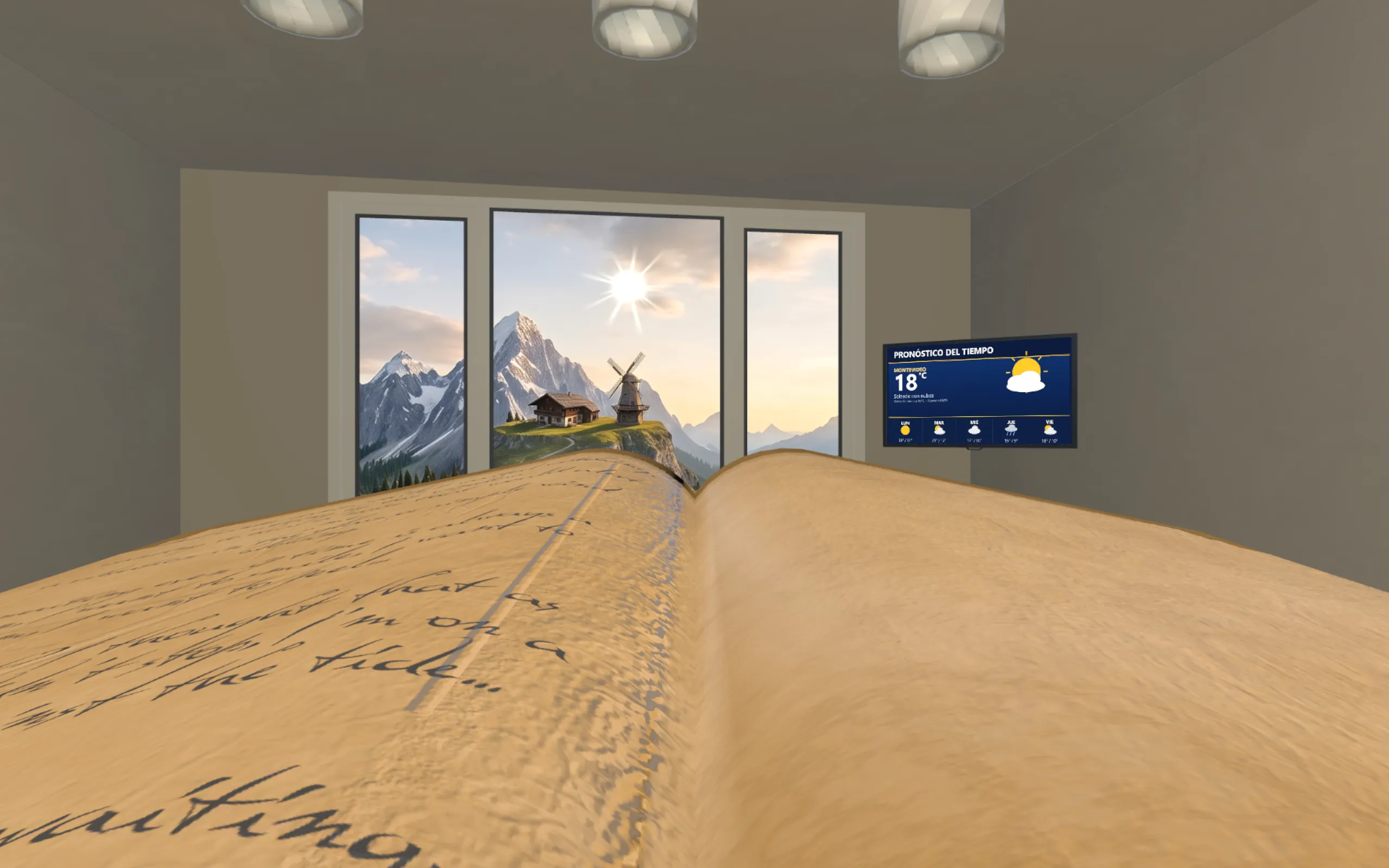
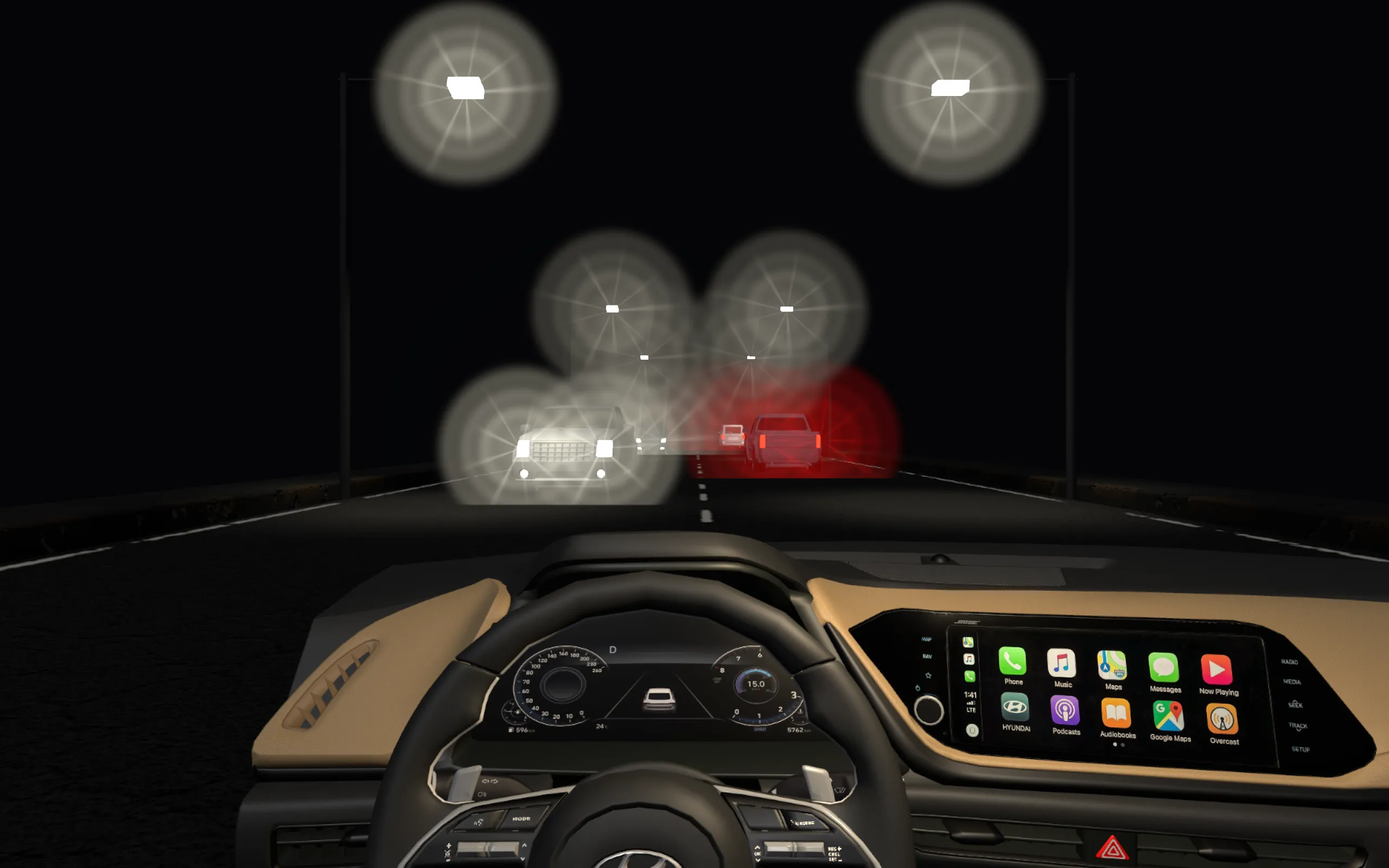
The same scene, two different lenses. Slide to see through your patient’s eyes: a monofocal versus a diffractive trifocal. Real captures from the simulator.

At night, the trifocal produces halos and starbursts around every light; with the monofocal, traffic looks clean — but notice the dashboard: up close, the monofocal loses focus.
MonofocalDiffractive trifocal

At night, the trifocal produces halos and starbursts around every light; with the monofocal, traffic looks clean — but notice the dashboard: up close, the monofocal loses focus.

Up close it reverses: with the monofocal, the book is unreadable without glasses; with the trifocal it reads — at the cost of some contrast and the sun’s starburst.
MonofocalDiffractive trifocal

Up close it reverses: with the monofocal, the book is unreadable without glasses; with the trifocal it reads — at the cost of some contrast and the sun’s starburst.

Two scenarios, two realities

Consultation room, daytime

Consultation room, daytime

Near reading, optotypes and fine detail: where the patient experiences near and intermediate vision with a constricted pupil.

Road, at night

Road, at night

Oncoming headlights, signs and brake lights: the scenario where halos and glare truly show — and where the patient needs to know what to expect.

Optical profiles by lens design

Three reference designs included. The catalog updates remotely, with no installs at your clinic.

Monofocal

A single sharp focus at distance. Minimal dysphotopsias: the baseline everything else is compared against.

Diffractive trifocal

Three foci: far, intermediate and near. Simulates its characteristic diffractive halos in night vision.

EDOF

A continuous extended depth of focus, with a reduced dysphotopsia profile compared to diffractive designs.

Trade names belong to their manufacturers. The simulator reproduces optical profiles for educational purposes and does not replace medical judgment.

Book a demo for your clinic

We’ll walk you through the simulator in a 30-minute remote session, at a time that suits you. Message us on WhatsApp and we’ll set it up — no strings attached.